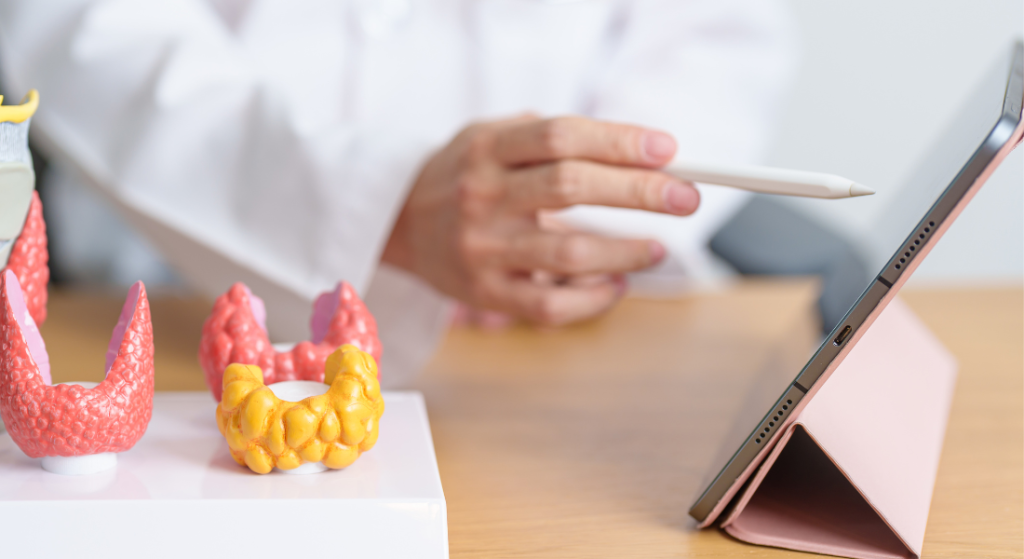
The thyroid gland is a tiny, butterfly-shaped organ in your neck, just below the Adam’s apple. It produces hormones that help regulate many essential functions in the body—like energy, temperature, and metabolism. When the thyroid is under strain, you may feel it in subtle ways over time.
One common thyroid concern is thyroid nodules—small lumps that form within the thyroid. Most nodules are not dangerous and often don’t cause noticeable symptoms, but they can still be worrying when you first discover them. Today, let’s walk through what thyroid nodules are, what to watch for, how they’re typically evaluated, and how HeaWea MicroGen can be used as a gentle, non-invasive wellness companion.
What Are Thyroid Nodules?
A thyroid nodule is a growth (solid or fluid-filled) that forms in the thyroid gland. Many people don’t even know they have one until it shows up during a routine exam or imaging test. Most thyroid nodules are benign (non-cancerous), and only a small portion are malignant.
Causes and Risk Factors
Thyroid nodules can develop for different reasons, and sometimes the cause isn’t clear. Common contributors include:
- Overgrowth of thyroid tissue
- Thyroid inflammation (thyroiditis)
- Iodine imbalance (too little iodine can increase risk; excessive iodine may also create thyroid stress in susceptible people)
- Radiation exposure (especially prior exposure to the head/neck area)
- Genetics/family history
When a nodule deserves extra caution
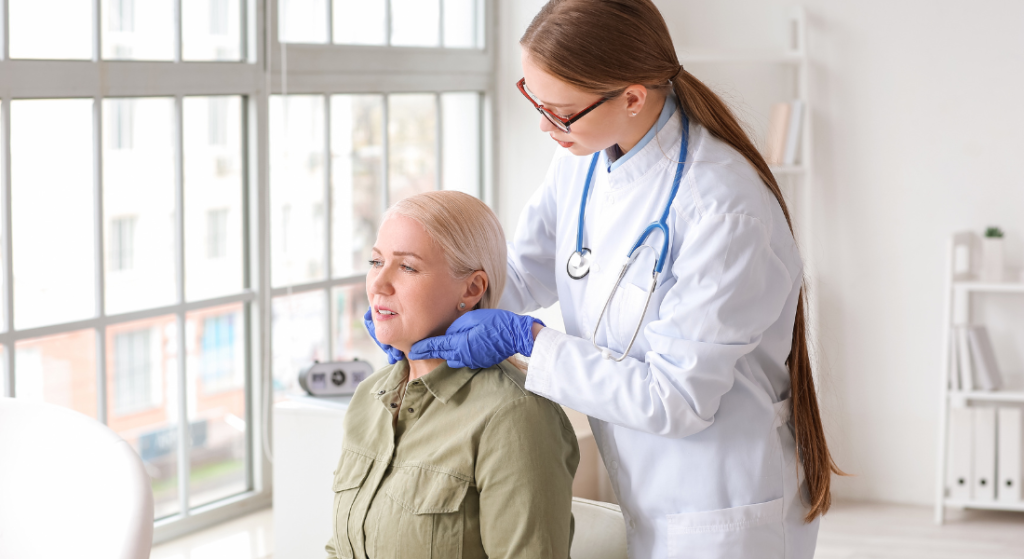
A nodule is more concerning when it’s associated with “red flags” such as rapid growth, persistent hoarseness/voice change, firmness, or a strong family history of thyroid cancer—these warrant prompt medical evaluation.
Symptoms of Thyroid Nodules
Most nodules cause no symptoms. But larger nodules—or nodules affecting thyroid hormone output—may cause:
- A visible lump or swelling in the neck
- Pressure, tightness, or discomfort in the neck
- Trouble swallowing or breathing
- Voice changes (in some cases)
- Unexplained weight or energy shifts if thyroid function changes
Important note: Symptoms alone don’t tell you whether a nodule is benign or malignant. If you notice a neck lump or persistent symptoms, it’s best to get a professional evaluation.
How Thyroid Nodules Are Typically Evaluated
This is the part many thyroid-nodule articles skip, but it matters—because the right next step is usually clearer than people think.
Doctors often use a combination of:
1. Thyroid ultrasound (to assess size and features)
2. Blood tests (to check thyroid function, such as TSH)
3. Fine needle aspiration (FNA) biopsy when ultrasound features or size suggest it’s needed (often ultrasound-guided)
For many benign nodules, the plan may simply be watchful monitoring with follow-up ultrasound—no immediate intervention.
Prevention and Everyday Thyroid Support
Because nodules can have multiple causes, prevention is not always straightforward. But these habits can support overall thyroid wellness and help reduce avoidable strain:
- Aim for adequate iodine—avoid extremes. Iodine is essential for thyroid hormones, but both deficiency and excess can be problematic. Be cautious with high-dose iodine supplements unless guided by a clinician.
- Don’t smoke. Smoking is linked to multiple thyroid-related stresses and overall endocrine burden. (If you smoke, quitting is one of the strongest steps you can take.)
- Prioritize sleep and stress recovery. Your endocrine system is sensitive to chronic stress patterns; supporting recovery rhythms can matter more than people expect.
- Balanced nutrition first, supplements second. If you’re considering thyroid supplements, it’s worth checking ingredients—many include iodine or stimulatory blends that may not fit every thyroid profile.
Medical Treatment Options (When Needed)
If a thyroid nodule is causing significant symptoms, hormone overproduction, or is suspicious for malignancy, medical options may include medication, radioactive iodine (in select cases), or surgery. Your clinician will match the approach to your ultrasound findings, labs, and biopsy results if performed.
Using HeaWea MicroGen to Support Thyroid Wellness
Employing the power of advanced frequency healing technology, HeaWea MicroGen offers a non-invasive way to improve your well-being. With over 60,000 programs accessible through its free software, MicroGen provides solutions for your unique needs, including thyroid nodules. It is portable, so you can use it anytime and anywhere as your health companion.
The precise current frequencies of HeaWea MicroGen can optimize the cellular environment and promote the free flow of energy within the body to maintain the balance and health of the thyroid gland. Furthermore, it can support the body’s ability to manage thyroid nodules naturally.
Recommended MicroGen approach
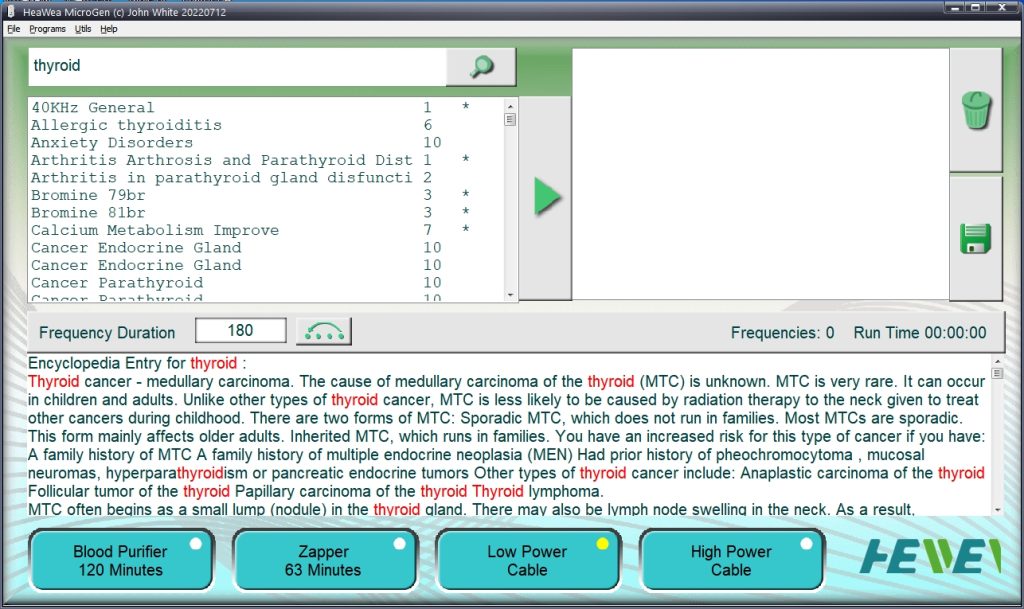
Open the MicroGen software and search “thyroid” to find relevant programs.
Programs marked with“*”are highly recommended.
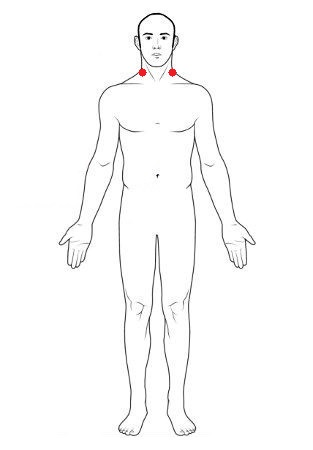
You can place TENS pads on both sides of the neck to target the thyroid area—and remember to use low power mode.
Whether you have thyroid nodules or simply want to maintain healthy thyroid function, HeaWea MicroGen can be a supportive daily tool to help maintain harmony in the body.
If you’d like to learn more about MicroGen, please check the product page for details. You can also join our Facebook group to read reviews from our clients and ask questions—we’re happy to help.